
Palm Beach Gardens · Palm Beach County
Water Heater Repair and Replacement in Palm Beach Gardens, FL
In most Palm Beach Gardens homes, the water heater is in one of two places: the corner of an attached garage, or a closet in a condo, villa or townhome. A little care in either spot goes a long way. Whether the heater needs repair or replacement, we connect you with a local pro in Palm Beach Gardens.
Tell us what you're seeing; a local pro takes it from there.
Water heater repair and replacement in Palm Beach Gardens
Palm Beach Gardens began as a plan. In 1959, landowner John D. MacArthur announced a new community of homes on about 4,000 acres, and the city was incorporated that year, largely on paper at first. The water utility MacArthur had started in 1955 grew into today's Seacoast Utility Authority, which serves the city and its neighbors. Two mailing ZIP codes, 33410 and 33418, now carry a Palm Beach Gardens address, home to about 68,600 people, and they take in parts of North Palm Beach and Riviera Beach as well.
Almost all of the building came after that start. Census data show about 26% of homes in the 1980s, 22% in the 1990s and 29% in the 2000s, so roughly three in four date from 1980 onward, with a small share from MacArthur's first decade in the 1960s. Golf communities, gated neighborhoods, townhomes and condominiums make up much of that stock, alongside single-family streets.
For water heaters, that means two main situations. In houses and many villas, the heater sits in the attached garage, which stays warm and humid most of the year, hard on fittings but well suited to heat pump models. In condos and townhomes, it sits in an interior closet, often beside the air handler, where a leak reaches finished rooms or a neighbor's ceiling quickly. Nearly all are electric. Homes from the 1980s and 1990s are mostly on their second or third heater by now, while many from the 2000s still have the builder's original, which is now at or past a typical lifespan.
A fair number of homes stand empty part of the year. About 8 to 9% are held for seasonal or occasional use, according to Census data, and heaters in those homes see long idle spells followed by heavy use.
Calls from Palm Beach Gardens are matched to installers covering 33410 and 33418.
A year of care for your heater
Every few months: look and listen. Check the floor and drain pan for moisture, the fittings on top for green or white crust, and the base for rust. Listen as the heater runs; new popping or rumbling means sediment is building.
Once a year: a flush. Flushing runs water through the tank and out of the drain valve to carry loose sediment away. Started early in a heater's life and repeated, it keeps the lower element clear, preserves capacity and keeps the drain valve working. It involves isolating the heater and handling very hot water under pressure, so it's a technician's job. See flushing and maintenance.
Every few years: the anode. The anode rod corrodes on purpose so the steel tank doesn't. When it's spent, the tank starts rusting from the inside. A technician can inspect it during a flush, while the tank is partly drained, and replace it if the tank is still worth protecting. The anode is also linked to the rotten-egg smell some owners notice on the hot side after a home stands empty; a less reactive or powered anode usually solves it.
Before and after a long absence. Shut off the water supply before leaving, and on return make sure the tank is full before the heater is powered, then run the hot taps for a while.
Once a year: the leak protection. Test the leak detector, replace its batteries and check that a connected model still reaches your phone. Make sure the drain pan's outlet is clear and the shutoff valve above the heater still turns and closes fully; a stiff valve is easy to replace at the next service.
Other types. A tankless unit needs periodic descaling instead of flushing, because minerals build up in its heat exchanger. A heat pump unit adds two simple tasks: keeping its air filter clean and its condensate line clear.
It fits into the same visit as a flush.
If a condo heater fails
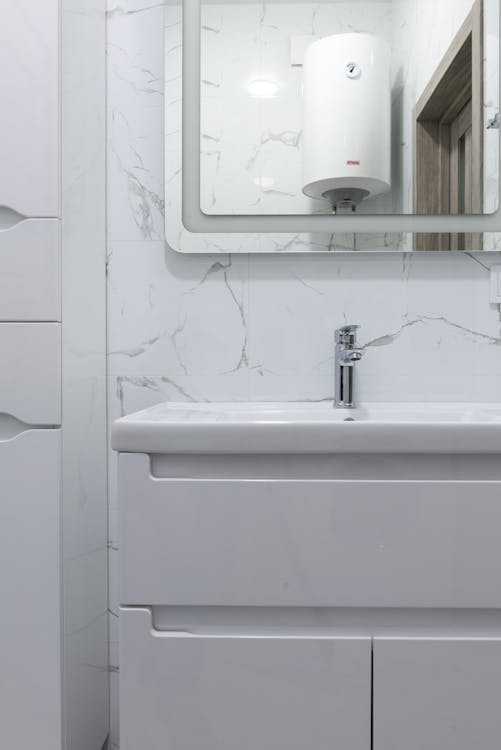
In a condo or townhome closet, a failing heater becomes a building matter quickly. Close the cold supply valve above the heater, or the unit's main shutoff, and keep clear of the heater's electrical parts. Tell the association or management office and any neighbors below; if water has reached another unit, each owner contacts their own insurer. Then call for the repair, and say where the water is coming from: a fitting, the relief valve or the tank itself. A fitting or valve is usually a repair; water from the tank body means a replacement.
A drain pan with a working outlet and a leak detector on the closet floor are the two most useful additions in any condo closet, especially in units left empty for the summer. Many associations have their own expectations about water heaters, so check with the office before a replacement. Closets shared with an air handler are often tight, and a slimmer or taller model may be needed. More on condo water heater leak.
When care stops being worth it
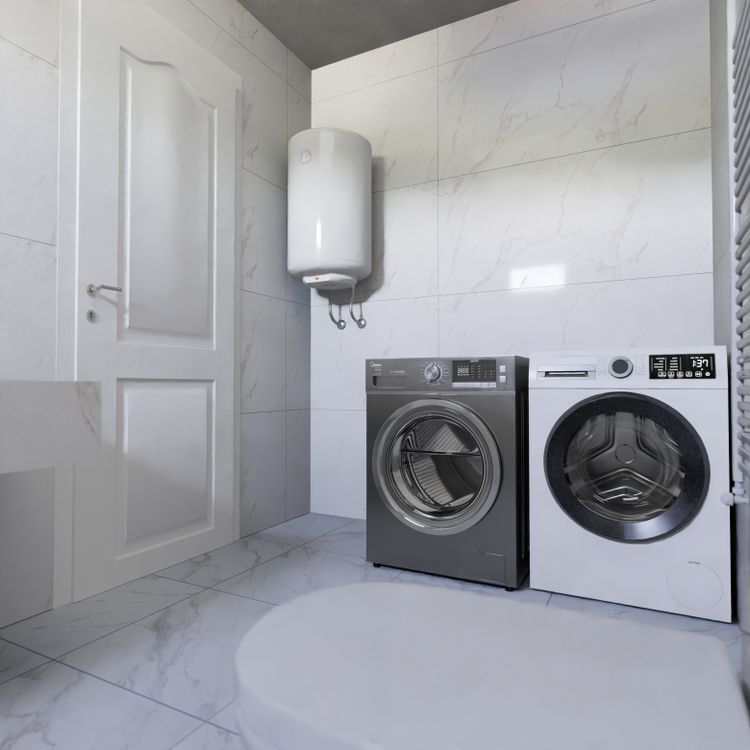
Maintenance extends a heater's life; it can't reverse age. On a heater well into its second decade, flushing may shift only a little of a hardened sediment layer, and the drain valve may clog repeatedly in the attempt. If the tank shows rust at the base, discolored hot water or a weep from the body, replacement is the better use of the money, because no amount of care will stop a tank that has started to rust through. Repeated failures of the same part, often a lower element buried in sediment, are another sign the heater's condition is the real problem. The technician can price a repair and a replacement on the same visit so you can compare, and replacement is also the moment to reconsider size or type; a warm garage here often suits a heat pump unit. Learn more about water heater replacement.
Near the Intracoastal
Closer to the Intracoastal and the lagoon, humid, salty air corrodes brass and copper fittings, braided connectors and valves faster than further inland, especially on heaters in garages left open. A crusted fitting can weep for weeks before anyone notices, leaving a mineral trail down the tank that looks like the tank itself leaking. At repair or replacement, it's worth renewing corroded parts rather than reusing them.
Condo and townhome heaters are indoors, but units whose balcony or patio doors stand open to the breeze still see corrosion on exposed valves. A look at the top of the tank during your few-monthly check, for crust or a damp patch that returns after wiping, catches most of it early.
Water heater services in Palm Beach Gardens
- Flushing and Maintenance
- Anode Rod Replacement
- Condo Water Heater Leak
- Rotten-Egg Smell in Hot Water
- Water Heater Installation
Maintenance, repair or replacement, priced before work starts.
Nearby communities
We also cover Jupiter, North Palm Beach and the rest of the Southeast Coast.
Palm Beach Gardens water heater questions
Are leak detectors worth it for a Palm Beach Gardens home?
They're inexpensive and catch slow leaks early. A basic detector sounds an alarm when its sensor gets wet; connected models also alert a phone, which matters most in condo closets and in homes left empty over the summer. A technician can fit one in a short visit.
Can a heat pump water heater go in a condo closet here?
Usually not in a small, enclosed closet, because heat pump units need a good volume of air around them and a drain for condensate. In a house with a roomy garage they're often a strong choice. The installer checks the space before recommending one.
Our villa sits empty between visits. What's the best setup for the heater?
Close the water supply before leaving, use the heater's vacation setting if it has one, and keep a connected leak detector by the heater. A drain pan with a working outlet adds a second layer. On arrival, check around the heater for moisture before the first shower and run the hot taps for a while.
Water is coming through our ceiling from the unit above. What should we do?
Call the management office straight away so staff can reach the unit above and shut its water off, and knock on the neighbor's door if you can. Move belongings, keep clear of wet light fittings and contact your own insurer.
What should we ask the building before a condo replacement?
How contractors check in, which hours work is allowed, whether an elevator needs booking and where to park. Many associations also have their own expectations about water heaters, which vary, so ask about those and pass everything on when you call.
Should a landlord replace an older heater between tenants?
If it's well into its second decade or showing rust, moisture or rumbling, a vacancy is the easiest time. The home is empty, access is simple and a failure mid-tenancy is avoided. A technician can assess it and quote a planned replacement.
Who supplies the water in Palm Beach Gardens, and does it affect the heater?
Most of the city is served by the Seacoast Utility Authority, which grew from the utility John D. MacArthur founded in 1955. Whatever the supply, minerals and fine sediment settle in tanks over the years, which is why a yearly flush and periodic anode checks are worthwhile.
Do you cover both Palm Beach Gardens ZIP codes?
Yes, both 33410 and 33418, including the parts of North Palm Beach and Riviera Beach that share them and the golf and gated communities to the west. Tell us your ZIP code and how gate entry works when you call, and we'll connect you with a local pro.
Palm Beach Gardens water heater problem?
Call any time for a local pro who works in Palm Beach Gardens garages and condo closets.
Care, repairs and replacements.