Condos · Broward, Palm Beach, the Gulf coast
Condo Water Heater Replacement Services in Florida
Replacing a water heater in a condo is the same job as in a house, wrapped in a lot more logistics: an association to check with, a building to get into, an elevator to book, a closet barely wider than the tank and, often, a neighbor directly below. Planned well, it's routine.
Tell us the building, the floor and whether you'll be there on the day.
Why condo replacements are their own job
Florida has one of the highest concentrations of condominiums in the country, and a large share sit along the Southeast and Southwest coasts: Broward, Palm Beach, Miami-Dade, Lee, Collier, Sarasota. In most of those units the water heater lives in a closet inside the unit, often off a hallway or a laundry nook, with finished floors around it and another unit underneath.
That arrangement changes a replacement in three ways. The building has a say in how contractors come and go. The space dictates what can physically fit through the door and into the closet. And because a failure can affect someone else's home, many owners and associations prefer to replace heaters before they fail rather than after. None of that makes the job difficult. It just means more of the work happens before anyone picks up a wrench.
In a condo
The three conversations to have before replacement day
With the association
Ask whether it has requirements for water heater age, replacement timing, installation details or the contractors allowed in the building, and whether it needs notice or paperwork first.
With management
Book the service elevator if there is one, confirm the hours contractors may work, and ask where the installer should park and bring equipment in.
With whoever has a key
If you won't be there, arrange for someone who can let the installer in, see the finished job and check the closet afterwards.
Check with your association first
Many Florida condominium associations have their own rules about water heaters inside units. They can cover how old a heater may be before it has to be replaced, how the replacement must be installed, what documentation the association wants afterwards, and which contractors may work in the building. Some associations send owners reminders when a heater reaches a certain age. Others have no specific rules at all.
Because those rules vary so much from one building to the next, we don't try to describe them here, and nobody on our phones will guess what your association requires. The reliable source is your association's documents or the management office. It's worth checking before you book, so the installer can arrive knowing what the building expects.
A short call to the management office usually answers everything: any heater requirements, contractor rules, elevator booking, working hours and whether they need anything from you or the installer.
Access, elevators and building rules
Condo buildings run on routines, and a water heater replacement has to fit around them. Many buildings limit contractor work to weekday business hours outside emergencies. Some require the service elevator to be reserved and padded. Some have loading areas or specific entrances for trades, and parking for a work van can be scarce near the beach. A few buildings ask contractors to register at the front desk or show paperwork before starting.
A new tank has to travel from the van to the unit, and the old one, heavy with sediment even after draining, has to travel back down. On an upper floor in a high-rise, that trip matters. Knowing the arrangements in advance keeps the day from stalling in the lobby.
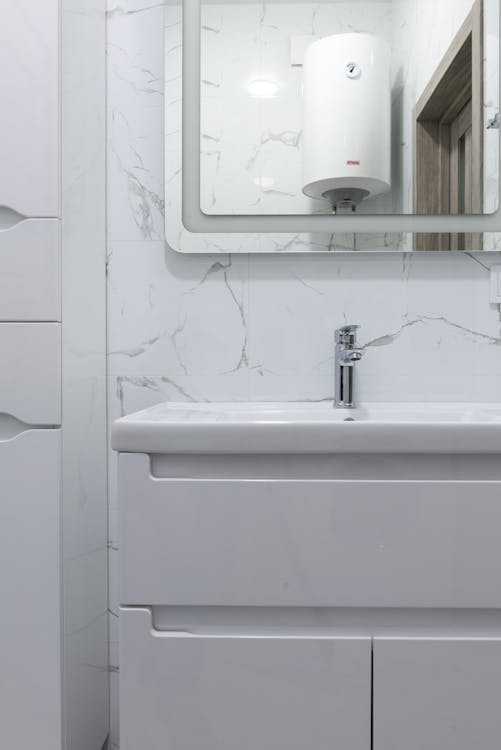
Working in an interior closet
The closet is the real constraint in most condo replacements. The new heater has to fit through the closet door and the unit's hallways, sit within the space available with room for connections and service access, and meet whatever clearances the manufacturer and installer require. A slightly taller or wider model than the old one can simply not fit.
A drain pan matters more in a closet than anywhere else, because there's finished flooring and usually a neighbor below. The installer checks that the pan is sound and that its outlet actually leads somewhere. Many owners add a leak detector or an automatic shutoff valve at the same time; our drain pan and overflow protection page covers those options.
The closet also limits the choice of heater type. Heat pump units, which work very well in Florida's warm air, need space and airflow around them, so a small sealed closet is rarely a good fit without louvered doors or ducting. Tankless units can save space but bring their own electrical demands, and many condo units don't have the electrical capacity for an electric tankless heater. Most condo replacements end up as a like-for-like electric tank, and there's nothing wrong with that.
The installers we work with replace closet heaters in condo buildings regularly.
Replacing while you're away
A great many Florida condo owners aren't in Florida for part of the year. That doesn't stop a replacement from happening, and some owners prefer to schedule it while they're gone. It works best with three things in place: someone local who can let the installer in, current contact details for you with the management office, and a clear agreement about how you'll see the price and approve it before work begins.
When you call, give us the unit address, your phone number and the key holder's. The installer can agree the price with you by phone and coordinate the visit with the key holder and the building. Afterwards, ask them to leave details of the new heater, including its serial number, for your records and the association's.
What replacement day looks like in a condo
The installer checks in with the building as required, brings the new heater up and protects the path to the closet. They isolate the water and power to the old heater, drain it and disconnect it. Draining a tank in a condo takes some care, because the water has to go somewhere appropriate, and the installer plans that route.
The old heater comes out and the closet is checked: the pan, the floor under it, the shutoff valve and the relief valve discharge. The new heater goes in with new connectors, and the relief valve discharge is routed. The tank is filled and purged of air before the power goes on. The installer then checks every connection, sets the temperature and shows you, or your key holder, where the shutoff is. The old heater leaves the building with them.
Keeping the neighbors informed
A water heater replacement makes some noise and occupies the elevator for a while. A quick word with the neighbors beside and below, or a note through the management office, goes a long way. If the old heater had been leaking, the unit below may already have questions. Those questions, and anything to do with damage to other units, are for your association and your own insurer to address. We don't advise on them, but the installer can give you a written note of what they found and did, which you can pass on.
What affects the cost of a condo replacement
- The heater. Capacity, type and dimensions, especially if a compact model is needed to fit the closet.
- Access. Floor, elevator arrangements, distance from parking and building check-in time.
- Closet work. A new drain pan, a replacement shutoff valve or updated connections.
- Protection devices. Leak detectors and automatic shutoff valves, if you add them.
- Timing. Emergency replacements after hours cost more than planned ones, and building rules may limit when work can happen anyway.
- Removal. Taking the old heater down and away, which is normally included.
The installer gives you the full price before starting, with any added charges explained first.
Price agreed first, whether you're in the unit or out of state.
How long it takes
The replacement itself is often done in a single visit, but condo jobs lose time to logistics: checking in, waiting for the elevator, carrying equipment, protecting floors. A planned replacement with the building informed and the elevator booked runs far more smoothly than one arranged in a hurry. If a particular compact model has to be ordered to fit your closet, add that time before the visit. After installation, an electric tank takes a while to heat its first full load.
Condo replacement questions
What should I find out from the building before booking a condo replacement?
Ask the management office how contractor visits work: check-in, working hours, elevator booking and parking. Many associations also have their own expectations about water heaters, which vary between buildings, so ask about those too and pass on what you learn. The installer can then plan the visit and bring what's needed the first time.
Should I replace my condo water heater before it fails?
Many owners do, because a failure in a condo can affect the unit below and happens out of sight. An older heater, rusty hot water or sediment noise are good reasons to consider it. Your association may also have its own view. A technician can look at the current heater and give you an honest assessment.
Can a heat pump water heater go in my condo closet?
Sometimes, but it's often difficult. Heat pump units need a good volume of air around them and a drain for condensate, and a small enclosed closet usually can't provide that without louvered doors or ducting. The installer can check your closet. Many condo owners stay with a standard electric tank for this reason.
Can the replacement be done while I'm out of state?
Yes. Give us the unit address, your number and the number of someone who can let the installer in. The installer agrees the price with you by phone before starting and coordinates access with your key holder and the building. Ask them to leave the new heater's details for your records.
Will a bigger water heater fit in my closet?
Possibly not. Condo closets are often sized around the original heater, and a larger tank may not fit through the door or leave room for connections and service access. The installer measures the space before recommending a size. If you need more hot water, there may be other options worth discussing.
Do I need to book the service elevator?
If your building has one and requires reservations for contractors, yes. The management office will tell you. Booking it, and confirming working hours and parking, before the installer arrives keeps the job from stalling. The installer can also check building arrangements with the office if you give permission.
What happens to the old water heater?
The installer drains it, disconnects it and takes it out of the building, which is normally part of the price. In high-rises that means a trip down in the elevator, so building rules on elevator use apply. If removal isn't included on a particular job, you'll be told when you get the price.
Should I add a leak detector or automatic shutoff when I replace?
It's worth considering, especially in an upper-floor unit or one that sits empty for part of the year. A leak detector alerts you to water in the closet, and an automatic shutoff valve closes the supply when it detects a leak. Replacement day is a convenient time to add either.
Who should I talk to about damage in the unit below?
Questions about damage to other units, and who deals with it, belong with your association and your own insurer. We don't advise on those. The technician can give you a written note of what they found and what they did, which you can share with the association and your insurer.
How long will I be without hot water?
Usually for most of the visit, plus the time an electric tank needs to heat its first load afterwards. Building logistics can lengthen the visit, so a planned replacement with the elevator booked tends to keep the gap short. The installer can give you a realistic idea when you arrange the date.
Replacing a heater in a condo?
Call and we'll connect you with a local installer who works in condo buildings and can plan around your association and your schedule.
Whether you're in the unit, down the hall or up north.