
Tankless · Electric and gas
Tankless Water Heater Installation Services in Florida
A tankless heater frees up floor space and never runs out partway through a shower. It also asks a lot of your home's electrical service or gas supply, and in Florida's hard water it needs regular descaling. Here's how installers decide whether it's the right fit.
Tell us your current heater, fuel and how many bathrooms you have.
How a tankless heater works
Instead of keeping a tank of water hot around the clock, a tankless unit heats water only while it flows. When a hot tap opens, a flow sensor detects the water moving and the unit fires its gas burner or switches on its electric elements. Water passes through a heat exchanger and leaves at the set temperature. When the tap closes, the unit stops.
That gives two headline benefits: no standby heat loss from a stored tank, and hot water that doesn't run out as long as demand stays within what the unit can handle. It also means the unit has to deliver a lot of heat very quickly, which is where the practical questions begin.
Who tankless suits, and who it doesn't
Tankless tends to suit homes where floor space is precious, where long showers or large tubs empty a tank, or where hot water use is spread through the day rather than concentrated. It's also used to serve a distant bathroom or an addition on its own.
It's a harder fit where the electrical service can't support an electric unit without expensive upgrades, where gas isn't available, or where several showers, a dishwasher and a washing machine all run at once and would exceed the unit's flow. And it isn't the lowest-cost option upfront. In many Florida homes, especially those with a garage, a heat pump unit is worth pricing alongside it.
Sizing: flow and temperature rise
Tankless units are sized differently from tanks. What matters is how much hot water flows at once, measured in gallons per minute, and how much the unit must raise the temperature of the incoming water to reach your set point. The colder the incoming water, the harder the unit works, and the less flow it can support at a given temperature.
Florida's incoming water is warm by national standards for much of the year, which works in tankless units' favor. The exception is North Florida and the Panhandle, where winter brings noticeably colder water, and a unit sized for summer can fall short in January. The installer considers your region, how many fixtures might run at once and your preferred temperature, then recommends a unit, or occasionally two. The sizing guide explains the idea further.
A quick count of bathrooms and busy times goes a long way.
Electric tankless: the capacity question
Whole-house electric tankless heaters draw a great deal of current while running, often much more than a tank heater. Many homes, especially older ones and condos, don't have that much spare capacity in their electrical service or panel. The installer checks your service and panel before recommending an electric unit. If an upgrade would be needed, it can change the economics completely, and the installer should say so plainly.
Smaller electric tankless units serving a single sink or shower are a different matter and often fit existing capacity. See our installation guide on point-of-use heaters.
Gas tankless: supply and venting
Gas tankless units need a gas supply able to deliver enough fuel at full firing rate, which can be more than an existing line to a tank heater provides. They also need dedicated venting suited to the unit. Condensing models, which extract more heat from combustion, also produce acidic condensate that needs appropriate drainage. Some models are designed for outdoor mounting, which simplifies venting. All of this is confirmed by the installer, since gas availability in Florida is limited and requirements depend on the appliance and location.
Hard water and descaling
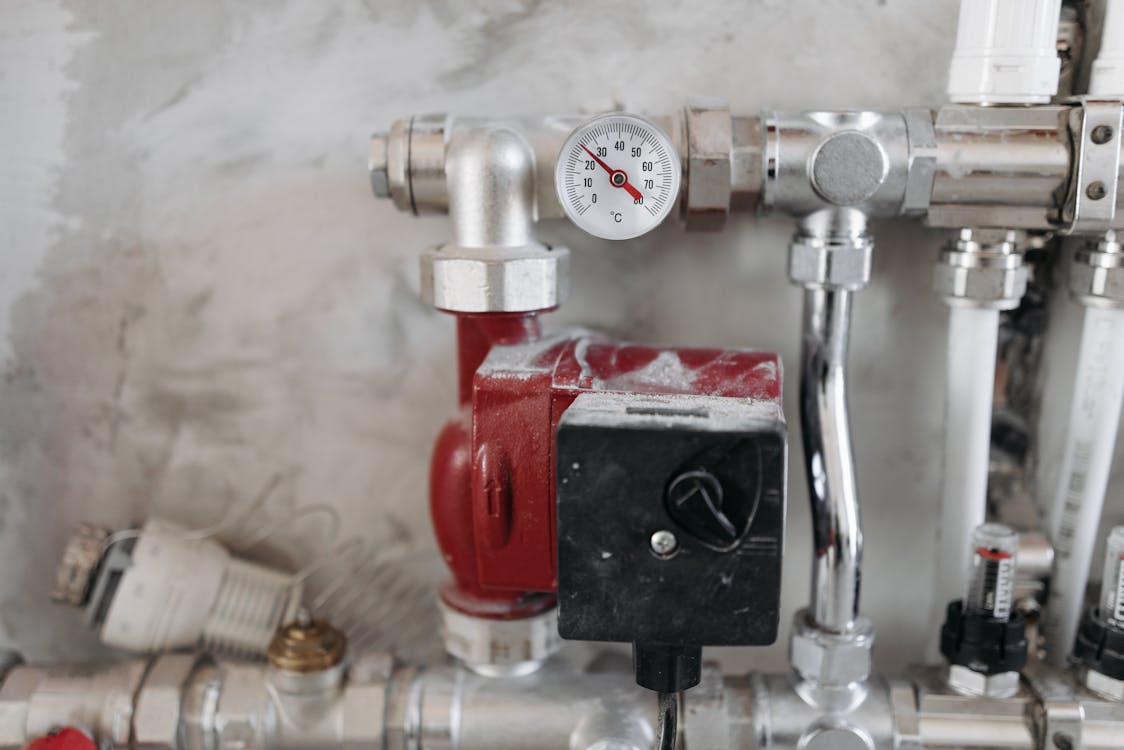
Much of Florida has hard water, and scale is the enemy of tankless heat exchangers. Minerals deposit inside the narrow passages as water heats, reducing performance and eventually triggering faults. In hard-water areas, periodic descaling is routine maintenance, not an optional extra.
A good installation plans for it by fitting service valves on the water connections, which let a technician circulate a descaling solution through the unit without disconnecting it. Some homeowners also consider scale treatment for the incoming water; the installer can discuss options. Our tankless descaling guide covers the maintenance side.
Where tankless units go
Most tankless units mount on a wall, which frees floor space. In Florida they're commonly placed in garages, on exterior walls where the model is designed for outdoor use, and sometimes in utility closets. The location has to suit the unit's venting if it's gas, its electrical supply if it's electric, access for descaling, and distance to the main bathrooms, since hot water still has to travel through the pipes.
Two quirks worth knowing
Tankless units need a minimum flow to switch on. A tap barely cracked open may not trigger heating, which surprises people used to tanks. And when hot water is turned off and quickly back on, a short slug of cooler water can pass through before the unit catches up, sometimes called a cold-water sandwich. Neither is a fault, and neither bothers most households once they know to expect it.
How the installation is done
The old heater is isolated, drained, disconnected and removed. The installer mounts the tankless unit, runs or adapts the water lines, fits service valves for descaling, and makes the electrical or gas connection. Gas units are vented as the model requires, and condensing units get a condensate drain. A relief valve and discharge line are fitted as the unit requires. The unit is then filled, purged, powered and tested at several taps and flow rates, and the installer shows you the controls and explains the descaling schedule.
What affects the cost
- Electrical or gas upgrades. Often the single largest variable.
- Venting and condensate. For gas units, especially condensing models.
- The unit. Capacity, fuel and whether it's rated for outdoor mounting.
- Pipework changes. Moving from a tank location to a wall location.
- Removal of the old tank, usually included.
The installer gives you the full price, including any upgrades, before starting, with any added charges explained first.
Ask for the price with any electrical or gas work included.
How long it takes
A tankless installation usually takes longer than a tank swap because of new mounting, pipework and connections. Where electrical service upgrades or new gas lines are needed, those may need to be scheduled separately first. Once the unit is running, hot water is available immediately, with no tank to heat.
Tankless installation questions
Is a tankless water heater worth it in Florida?
For some homes, yes, particularly where space is tight or long showers empty a tank. It's less compelling where electrical upgrades would be expensive, where gas isn't available, or where many fixtures run at once. Florida's warm incoming water helps tankless performance. A heat pump unit is worth comparing in homes with a garage.
What size tankless water heater do I need?
It depends on how many fixtures might run at the same time and how much the unit must heat the incoming water. More simultaneous showers means more flow capacity. Colder winter water in North Florida and the Panhandle means a bigger temperature rise. The installer calculates it from your household's actual use.
Why does tankless need descaling in Florida?
Because much of Florida's water is hard. Minerals deposit inside the unit's heat exchanger as water heats, reducing performance and eventually causing faults. Periodic descaling flushes those deposits out. Installers fit service valves so it can be done without disconnecting the unit.
Can a tankless water heater be installed outside?
Some models are designed for outdoor installation, which is common for gas units because it simplifies venting. Not every tankless heater is suitable outdoors, and location, exposure and local requirements all matter. The installer confirms whether an outdoor model and location suit your home.
Will I get unlimited hot water with tankless?
You won't run out in the way a tank does, as long as demand stays within what the unit can heat. If too many fixtures run at once, or incoming water is very cold, the temperature can drop. Correct sizing is what makes the "endless hot water" description hold true in practice.
What is the cold-water sandwich?
When hot water is turned off and quickly back on, a short burst of cooler water can come through before the unit reheats, because the water sitting in the pipes and exchanger has cooled. It's a known characteristic of tankless heaters rather than a fault, and it's usually brief.
Do I need a bigger gas line for a tankless water heater?
Sometimes. Gas tankless units can require more fuel at full output than a tank heater, and an existing line may not be sized for it. The installer checks the gas supply and line size against the unit's requirements and includes any changes in the price before any work begins.
How long does a tankless water heater installation take?
Longer than a like-for-like tank swap, because the unit is mounted on a wall and needs new pipework, service valves and electrical or gas connections. If an electrical service upgrade or gas line work is needed, that may be scheduled first. The installer gives you a realistic plan after the site visit.
Considering tankless?
Call and we'll connect you with a local installer who can check your supply, size the unit properly and price the job.
Electric and gas tankless installations.