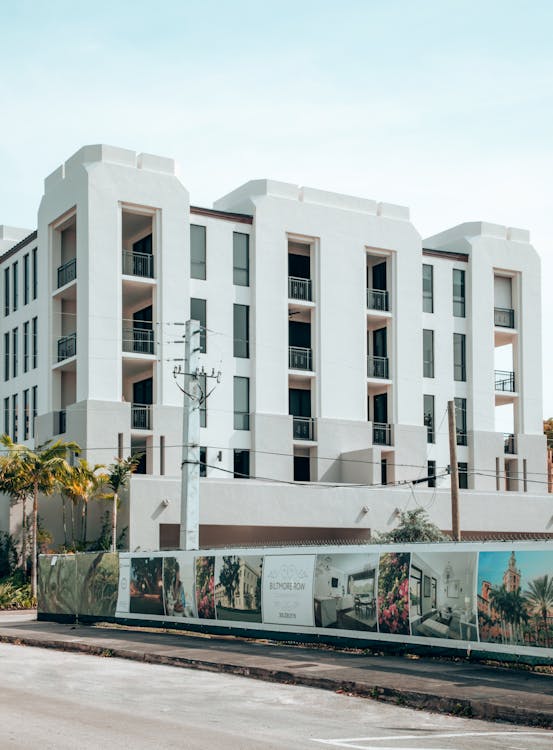
North Palm Beach · Palm Beach County
Water Heater Repair and Replacement in North Palm Beach, FL
One ZIP code, 33408, about 16,900 people, and a village where more than six in ten homes were built between 1960 and 1990. At that scale, most heater calls come from a handful of situations: a closet tank past its years, a garage heater in a canal-front house, or a condo that has stood empty all summer. Whether the heater needs repair or replacement, we connect you with a local pro in North Palm Beach.
The whole village and 33408, from the canal-front streets to the condos along US 1.
Before the technician arrives
In a condo, the building comes first. Ask the management office how contractors sign in, which hours work is allowed, whether the service elevator must be booked and where a van can park, and pass that on when you call. Photograph the rating label on the tank so the technician knows the model, size and age before arriving. In a house, clear space around the garage heater and leave room near the door for the new tank to come in. If you'll be away, arrange for someone to let the technician in and tell the office who to expect. Put pets in another room, and mention any gate code or parking pass when you call.
Water heater repair and replacement in North Palm Beach
In 1954 John D. MacArthur bought about 2,600 acres from the estate of Sir Harry Oakes, land that took in most of today's village and the Palm Beach Winter Club, later the North Palm Beach Country Club. The following year he sold it to the builders Herbert and Richard Ross, who laid out the village between US 1 and Prosperity Farms Road and dredged canals to give as many lots as possible a waterfront. West Lake Park Road was extended and renamed Northlake Boulevard. North Palm Beach incorporated as a village in 1956 and was named that year's best planned community in the country by the National Association of Home Builders. Pratt and Whitney opened a plant west of town in 1958.
Most of the housing came in three decades. The Census tallies about 27% of homes in the 1960s, 25% in the 1970s and 26% in the 1980s, with 10% from the 1950s and around 12% since 1990. The canal-front streets are lined with single-story block houses that keep the heater in a garage or utility room. Condominiums, a large share of the housing, keep it in a closet, often beside the air handler and above or beside another home. Almost all water heaters in town run on electricity.
About one home in six is seasonal, according to Census data, many of them condos closed for the summer. Homes are on a public water supply, and with canals, the Intracoastal and the ocean close by, salt air reaches most fittings.
For installation work, the age of the housing matters most. A 1960s or 1970s home is likely on its fourth heater or more, often in a spot sized for a smaller tank, with valves and pipes that may be decades old. In the condo buildings, closets built around the original tanks limit what fits, and building rules shape the day. And with so many units closed for the summer, leak protection is worth adding at every installation.
In North Palm Beach, the pros we connect you with work across 33408.
What happens on installation day
Arrival and checks. The technician signs in with the building office if there is one, confirms the heater's size and location, and looks at the shutoff valve, the pan and the relief valve line before starting, so nothing surprises the crew later. Ask the technician to explain each check and what they find before work starts.
Taking out the old tank. With the power isolated and the water off, the old heater is drained inside the unit or garage, disconnected and carried out whole, by service elevator in a condo, with floors and hallways protected.
Fitting the new one. The new tank goes into a pan with a working outlet. Crusted valves and connectors are renewed rather than reused, the relief valve line is run to discharge properly, and an expansion tank is added where the system needs one.
Filling and testing. The tank fills with a hot tap open until the air clears, and only then is the power restored. Every joint is checked, the temperature set and the controls explained.
Leaving. The old heater goes for disposal and the area is left clean. A garage swap usually takes a few hours; a closet with tight access or building rules takes longer. Related: water heater removal and disposal.

Water on the closet floor or the ceiling below? Close the cold valve and call the building office, then us.
When a condo heater fails
A closet heater that fails in a condo building seldom affects one home only. Water from a split tank or a burst connector runs under the closet wall and down through the floor, often into the unit below before anyone upstairs notices, and in a building where many owners are away for the summer it can run for days. Telling the building office quickly lets them open empty units and warn other floors. The heater is then repaired or replaced as usual. For questions beyond the repair, your association and your own insurer are the people to ask. A connected leak sensor on the closet floor, and an automatic shutoff valve where the building allows one, are the best protection for an older closet heater. Read more at condo water heater leak.
Back after the summer
Before the first shower, open the heater closet and look at the tank, the pan and the floor for damp, rust or a mineral trail. Turn the water back on and run a hot tap until it flows without spitting, so the tank is full before the heater is powered; an element switched on dry burns out immediately. Return the vacation setting to normal if you used one. A little air and a sulfur smell are common at first and usually fade with use. For the first few days, glance at the closet floor and the ceiling of the unit below if you can, since a joint that dried out over the summer can start to weep once the pressure is back. More on seasonal home water heater shutoff.
A sulfur smell on the hot side
A rotten-egg smell from the hot taps only is commonly associated with sulfate in the water reacting with the tank's anode rod, and a heater that stood unused all summer is the likeliest to show it. Letting the hot taps run a while usually flushes it out. Should it keep coming back, a technician can confirm why and generally swaps in a less reactive anode. Taking the anode out isn't the fix, since the tank then rusts through much sooner and the new heater's life is cut short. Read more at rotten-egg smell in hot water.
Water heater services in North Palm Beach
- Water Heater Installation
- Condo Water Heater Replacement
- Condo Water Heater Leak
- Removal and Disposal
- Drain Pan and Overflow Protection
- Seasonal Home Shutoff
- Rotten-Egg Smell in Hot Water
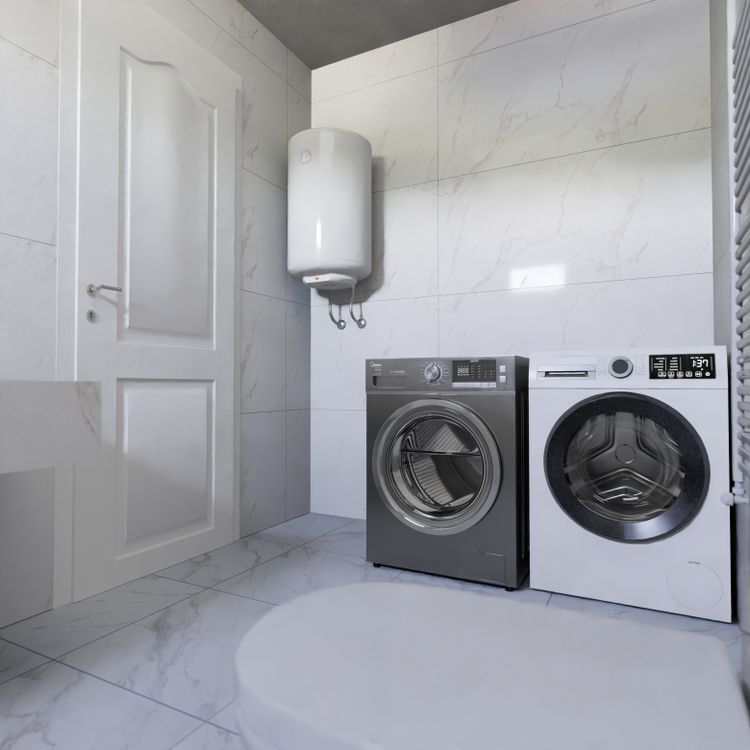
Closet, garage or utility room: describe the spot and a pro will explain the installation.
Nearby communities
We also cover Jupiter, West Palm Beach and the rest of the Southeast Coast.
North Palm Beach water heater questions
In North Palm Beach, who should I tell if my condo heater leaks into another unit?
Once the water is off, tell the association or management office and the neighbors whose homes it may have reached, then your own insurer. The office can open empty units and check the floors below. After that, whoever is arranging the repair can call us.
In North Palm Beach, my vacation rental sits empty between guests. What's the best setup for the heater?
A connected leak sensor beside the heater, a pan with a working outlet and a clearly labeled shutoff valve cover the basics, and some owners add an automatic shutoff. Before each arrival, a quick look for damp and a check that hot water flows catch most problems.
In North Palm Beach, our house is one of the older ones here. What should we watch for?
Homes from the 1950s and 1960s may have the heater in a utility room or closet added later, with older valves and pipes around it. Check for a pan with an outlet, a relief valve line that runs somewhere sensible and a shutoff that closes fully.
In North Palm Beach, how can landlords keep water heater problems manageable?
Keep a record of each heater's type, location and manufacture date, and show tenants where the shutoff is. Fit a connected leak sensor by each heater, and plan replacements of older heaters during a vacancy rather than waiting for a failure in the middle of a lease.
What does an automatic shutoff valve do in North Palm Beach?
It closes the water supply by itself when a sensor detects a leak, stopping the water at its source rather than only sounding an alarm. It can protect the heater alone or the whole home, and it's most useful where a leak could run unseen, such as a condo closed for the summer.
Our water heater is on a back porch. Is that a problem in North Palm Beach?
Not in itself; some older homes here have one there. Make sure there's a pan with a working outlet and that the relief valve line runs somewhere sensible. An open porch near the water also means more salt and humidity on the fittings, so check them every few months.
Can a new heater fit in the same condo closet?
Usually. The installer measures the closet, the shelf height and the door, and may suggest a slimmer or taller model so the air handler keeps its space. Mention the building's rules and the closet size when you call so the right tank arrives on the first visit.
Do you cover the whole village?
Yes. We cover all of North Palm Beach and the 33408 ZIP code, from the canal-front streets and the country club area to the condominiums along US 1 and the Intracoastal. Give us your address and building details when you call.
North Palm Beach water heater installation?
Call any time for a local pro who installs and replaces heaters in North Palm Beach homes and condos.
Closets, garages and utility rooms across the village.