Deerfield Beach · Broward County
Water Heater Repair and Replacement in Deerfield Beach, FL
The Hillsboro Canal marks Deerfield Beach's northern edge and the county line. South of it, condominiums make up a large share of the housing, which is why so many heater questions here begin in a closet. Repair or replacement, Deerfield Beach callers are connected with a local pro.
Same-day and emergency visits across both Deerfield Beach ZIP codes.
What makes Deerfield Beach different for water heaters?
Mostly its housing. Deerfield grew up beside the Hillsboro River, which was dredged into the Hillsboro Canal in 1911, and it was incorporated in 1925. The big growth came much later. Census figures show that about 42% of today's homes were built in the 1970s and another 24% in the 1980s, so roughly two homes in three date from those two decades. Only about 7% are older than 1960.
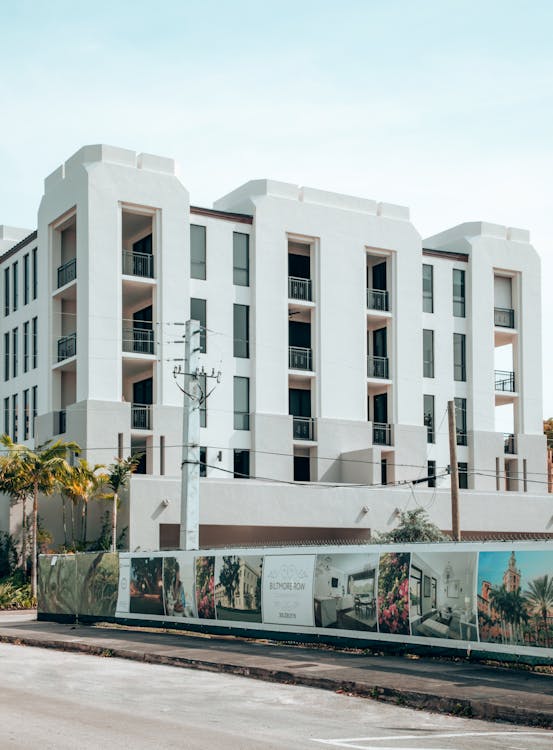
Much of that building was condominiums. Century Village East, opened in 1979, alone has more than 8,500 condo units for residents 55 and over, in low-rise buildings west of I-95. Along the beach and the Intracoastal, there are more condo buildings and townhomes, alongside single-family streets in both of the city's ZIP codes. In a condo, the heater almost always sits in a closet inside the unit, often beside the air handler, and above the ground floor there is a neighbor's ceiling underneath it.
Deerfield Beach is also strongly seasonal. About one home in six is held for seasonal or occasional use, according to Census data, one of the highest shares on this part of the coast. Many units sit closed from spring to autumn, which is exactly when a slow leak can go unnoticed. The person who finds it is often not the owner at all, but a neighbor below, a building manager or a relative checking in.
About 54,900 people live across the two ZIP codes, east and west of I-95. Nearly every heater here is electric, and many in the older buildings are well into their second decade or have already been replaced once or twice. That is why most calls here come down to three things: a leak in a closet, a heater in an empty unit, and whether an ageing tank is worth repairing.
Calls from Deerfield Beach are matched to installers covering 33441 and 33442.
My condo heater is leaking. What do I do first?
Stop the water. Close the valve on the cold-water pipe entering the top of the heater, or the unit's main shutoff if you can't reach it; in many condos it's in the utility closet, under a sink or near the front door. Keep clear of the heater's electrical parts and any water near them, and leave any draining to the technician. Put towels at the closet door to slow the spread and move anything that can be damaged.
Then look at where the water comes from. A drip from a fitting on top, the relief valve or the drain valve is often a repairable part. Water from the tank body or bottom seam means the tank has rusted through, and it needs replacing. Tell us which when you call, along with the floor you're on and whether anyone below has reported water. If the building has a maintenance office, let staff know too; they can shut off a riser if a valve won't close. Learn more about condo water heater leak.
Water is reaching the unit below. Who needs to know?
In a concrete building, water from a closet follows the slab and pipe openings and appears below as a ceiling stain, a drip from a light fitting or wet drywall. By then it may have run for hours. Once the water is off, tell the association or management office, which can reach empty units and warn other floors, and let the affected neighbors know. If water has reached another unit, each owner contacts their own insurer.
If you're the neighbor below and water is coming through your ceiling, call the office straight away rather than waiting for the owner above, especially in summer, when that unit may well be empty. Protect your belongings, keep clear of wet light fittings and switches, and take photographs of the damage for your own insurer.
Afterwards, it's worth asking what would catch the next leak sooner: a drain pan with an outlet piped somewhere useful, a leak detector that alerts a phone, or an automatic shutoff valve that closes the supply by itself.
Tell us the building, the floor and how contractors check in.
Why check with the association before replacing?
Many associations have their own expectations about water heaters, covering things like replacement, installation details, contractor access or working hours. They vary widely between buildings, so the reliable answer comes from your own association's documents or office. Ask before booking and pass on what you learn when you call; the installer can then plan around check-in, parking, elevator use and any paperwork the office wants back. Offices also often keep a record of when each unit's heater was replaced, which helps if you've recently bought and don't know the heater's history.
How does a replacement work in a low-rise condo?
The technician isolates the heater, drains it inside the unit, protects floors and hallways, and carries the old tank down by elevator or stairs, much lighter once it's empty. The new heater is set in place and connected, with a drain pan fitted if the closet lacks one, then filled and purged of air before the power goes on. In closets shared with an air handler, a slimmer or taller model is sometimes needed to keep the clearances both appliances require. A straightforward swap is usually one visit. Clearing the closet and the path to it before the technician arrives saves time, and so does having the elevator booked. Details are in condo water heater replacement.
Why does the hot water smell after the summer?
A rotten-egg smell on the hot side only, after months away, is commonly associated with a reaction in the still, warm tank involving sulfate in the water and the anode rod. A few minutes at the hot taps usually clears it. If it keeps returning while the cold water smells normal, a technician confirms the cause on site and usually fits a less reactive anode. Removing the anode altogether isn't a fix, because it leaves the tank unprotected. If both sides smell, the supply is the likely source. More on rotten-egg smell in hot water.
Do beach buildings need anything extra?
Near the ocean and the Intracoastal, salt air corrodes exposed valves and fittings faster. A look at the top of the tank every few months catches green or white crust before it becomes a weep into the unit below. Units with balcony doors left open to the breeze see it most. At replacement, corroded connectors and valves are best renewed rather than reused.

Water heater services in Deerfield Beach
- Condo Water Heater Leak
- Condo Water Heater Replacement
- Leaking Water Heater
- Rotten-Egg Smell in Hot Water
- Seasonal Home Shutoff
Book it before you leave for the summer and the unit is ready for your return.
Deerfield Beach water heater questions
Should a landlord replace an old heater between tenants in Deerfield Beach?
If the heater is well into its second decade or shows rust, moisture or rumbling, a vacancy is the easiest time. The unit is empty, access is simple and there's no tenant waiting for hot water. A technician can assess the heater and price a planned replacement.
Will the smell after a long absence go away by itself?
Often it fades once the stale water has been run off and the heater is in daily use again. If it's still there after a few days, the anode and the water conditions in the tank are the likely cause, and a technician can confirm it and suggest a remedy.
Is a leak detector worth it for a condo closet?
Yes. A detector on the closet floor raises the alarm as soon as water appears, and connected models alert your phone, which matters most when the unit is empty. For a closet above another unit, it's one of the least expensive protections you can add.
Can a leaking water heater tank be patched?
No. Once the steel tank has rusted through, there's no lasting repair, and the leak only grows. If the water is coming from a fitting, valve or connector instead, that part can usually be replaced. A technician confirms the source first.
The hot water is suddenly scalding. What's wrong?
A thermostat stuck on is the usual cause, heating the water past its setting. The heater's high-limit cutoff is designed to stop it, but shouldn't be relied on. Mix in cold water at the tap and call the same day so the faulty part can be replaced.
How often should a condo water heater be flushed?
There's no fixed interval; it depends on the water, whether there's a softener and how much hot water the unit uses. Starting early in the heater's life matters more than the exact schedule. A technician can suggest a routine after seeing what drains out.
We live in Century Village East. Who do we contact first when the heater fails?
If water has escaped, close the supply and tell your building's association or the management office first, since they can reach neighboring units. Then call us with your building and unit, and we'll connect you with a local pro who works in the community.
Do you cover both Deerfield Beach ZIP codes, east and west of I-95?
Yes, both 33441 and 33442, from the beach and Intracoastal to the condo communities and homes west of I-95. Give us your ZIP code and building details when you phone, and we'll pass the job to a local pro who works in your area.
Nearby communities
We also cover Boca Raton across the canal, Pompano Beach and the rest of the Southeast Coast.
Deerfield Beach water heater problem?
Call any time for a local pro who works in Deerfield's condo closets, beach buildings and homes.
Closet leaks, empty units and ageing tanks.