
Tavernier · Monroe County
Water Heater Repair and Replacement in Tavernier, FL
In Tavernier, most water heaters stand in a utility closet or a ground-level room of a house that sits empty for part of the year. A heater in that position can leak for weeks before anyone sees it, which is why this page starts with the first hour of a leak and the simple things that stop one spreading. Repair or replacement, Tavernier callers are connected with a local pro.
The whole 33070 ZIP code, from the historic streets off US 1 to the canal homes on both sides.
The first hour of a leak
Shut the supply. Turn the valve on the cold line at the top of the heater until it stops. Where that valve is seized or hidden, use the house's main valve, which in many Keys homes sits near the water meter by the street.
Leave the electrics alone. Don't reach past the heater's covers or wade toward a wet outlet; wait for the technician.
Limit the spread. Lift rugs, boxes and anything stored near the tank, and photograph what the water has reached before you tidy up.
Let others know. A condo or townhome office can check the neighbors' side of the wall; a rental manager should tell the owner.
Phone us. Tell us the mile marker or street address and where the heater stands, and a local pro will be connected with you. Owners should contact their own insurer once the water is off. Learn more about leaking water heater.
Water heater repair and replacement in Tavernier
Tavernier sits at the southern end of Key Largo, just north of Tavernier Creek, and takes its name from little Tavernier Key off the Atlantic shore, which appears on charts from the 1600s; the popular tale of a sailor asking for a tavern is only a story. Before the town grew, a farming settlement called Planter worked the Atlantic edge, growing pineapples, tomatoes and melons, and the arrival of Henry Flagler's railroad reshaped the area. Outside Key West, Tavernier keeps more historic buildings than anywhere else in the Keys, many clustered near the old town center. It has never incorporated and remains a community of unincorporated Monroe County. ZIP code 33070 covers about 5,300 residents.
Per Census figures, about 30% of homes in the 1970s and 25% in the 1980s, with 13% from the 1990s, 12% from the 1960s, 11% from the 2000s and around 9% older. Canal-front houses, many raised, keep the heater in a ground-level room, a utility closet or a garage; older homes near the historic center keep it in a back room or porch closet; condos and townhomes keep it in a closet, often beside the air handler. Electric is the standard, with very few gas units.
About one home in three is seasonal, according to Census data, and many more are let to visitors. Fresh water comes down the Keys by pipeline from the mainland, and with the ocean on one side and Florida Bay on the other, salt air reaches every heater.
For replacement work, that means heaters in homes that stand empty for long stretches, fittings that crust over quickly, and many tanks from the 1970s and 1980s homes on their third or fourth generation. Replacing an ageing heater on a day you choose, with leak protection fitted at the same visit, is far easier than dealing with a failure found weeks late.
Calls from Tavernier are matched to installers covering 33070.
Pans, sensors and shutoffs
Most leaks start small, at a crusted connector, a weeping relief valve or a drain valve that no longer seals, and grow slowly. A drain pan under the heater, with an outlet piped outside or to a drain, holds a slow drip before it reaches the floor; a pan with no working outlet only delays the damage. A connected leak sensor on the floor beside the heater sends an alert to a phone the moment it gets wet, which matters most when nobody is home. An automatic shutoff valve goes further, closing the water supply by itself when a sensor trips. And a quarter-turn shutoff valve on the cold line lets anyone stop the water in seconds. Fitting a pan means lifting the heater, so replacement is the easiest time to add all four. More on drain pan and overflow protection.
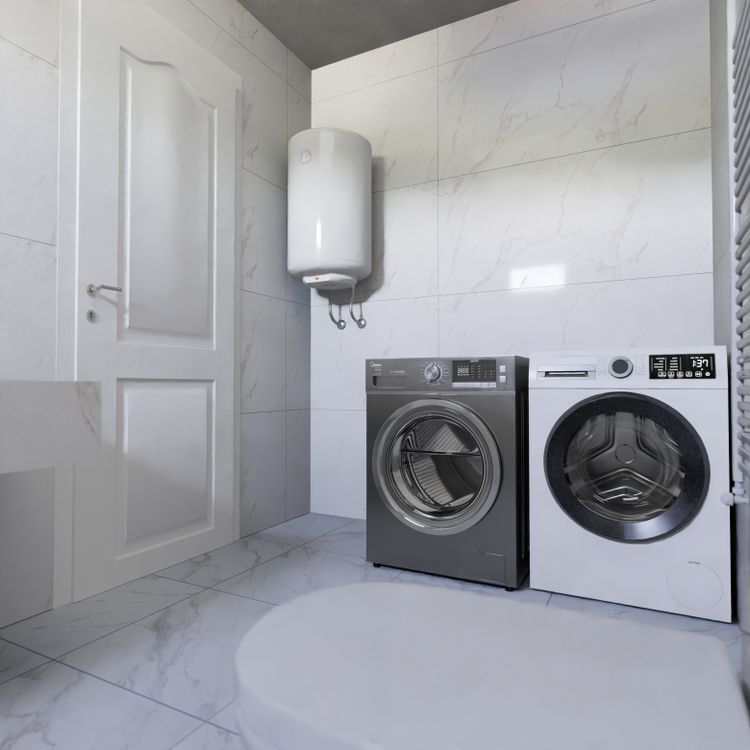
Letting a canal home between guests? A pro can check the heater and fit leak protection on a quiet day.
Closet and ground-level heaters
In a condo, townhome or house with the heater in an indoor closet, a leak runs onto finished floors and often toward a neighbor, so the pan and shutoff matter most. When a closet heater is replaced, the installer measures the space and the door first, since a slimmer or taller model often fits where the old shape won't. In a raised house with the heater in a ground-level room, the risks change: the room takes more damp and salt, and the enclosure needs to keep rain and insects out, while a leak is less likely to damage living space. Either way, crusted valves and connectors are renewed at replacement rather than reused. Related: condo water heater replacement.
Salt air on the fittings
With the ocean and Florida Bay a short walk away, salt settles on brass valves, copper fittings and braided connectors, which grow a green or white crust. A joint underneath can weep slowly for months, leaving a mineral trail down the jacket, and the relief valve and its discharge line corrode too. Heaters in porch closets, carports and ground-level rooms see it first. A look at the top of the tank every few months, or on each visit to a house that stands empty, catches most slow leaks early. Learn more about emergency water heater service.
Opening up after months away
Before the first shower, look at the heater, the pan and the floor for damp, rust or a mineral trail. Restore the water and run a hot tap until it flows steadily, so the tank is full before the heater is powered; an element switched on in an empty tank burns out at once. Return the vacation setting to normal if you used it. Some air and a sulfur smell are common at first and usually fade with running. Keep an eye on the fittings for a few days, since a joint that dried out can weep once the pressure is back. Related: seasonal home water heater shutoff.
The smell after an empty spell
A rotten-egg smell from the hot taps only is commonly associated with sulfate in the water reacting with the tank's anode rod, and it's strongest after water has stood for weeks. Letting the hot taps run a while usually flushes it out. A technician confirms the cause if it recurs, and a less reactive anode is the usual remedy. Removing the anode isn't the answer, because the tank then rusts through far sooner. Learn more about rotten-egg smell in hot water.

Water heater services in Tavernier
- Leaking Water Heater
- Emergency Water Heater Service
- Drain Pan and Overflow Protection
- Seasonal Home Shutoff
- Condo Water Heater Replacement
- Rotten-Egg Smell in Hot Water
Repair the part or replace the heater: both priced on one visit, so you can decide before the season.
Tavernier water heater questions
In Tavernier, are leak detectors worth it for a water heater?
Yes. They cost little and catch slow leaks early. A basic one sounds an alarm when its sensor gets wet; a connected one also alerts your phone, which is what makes it worthwhile in a Keys home that stands empty for weeks. A technician can fit one in a short visit.
In Tavernier, water is coming through my ceiling from the unit above. What should I do?
Call the building office or the owner upstairs right away so the water above can be turned off, and knock if anyone's home. Keep away from wet light fittings and switches, protect your belongings, take photographs, then contact your own insurer.
In Tavernier, what kinds of water heaters do you see most in this area?
Electric tanks, mostly: in ground-level rooms and utility closets in houses, and closets in condos and townhomes. Heat pump units are chosen more often at replacement where there's room and air, and tankless heaters appear in some homes. The installer works with any of them.
In Tavernier, do homes near the water need extra attention for their heaters?
Yes. Salt air corrodes exposed fittings, connectors and valves faster than inland, especially on heaters in carports, porch closets and ground-level rooms. A regular look at the connections on top of the tank, and renewing crusted parts at the next service, prevents many leaks.
For a Tavernier home, several neighbors have replaced their heaters this year. Should I check mine?
It's a sensible prompt. Homes built around the same time often got similar heaters, which then age together. Read the manufacture date on your label and look for rust, crust on the fittings, damp or rumbling. A technician can price a planned replacement.
For a Tavernier home, can a leaking tank be patched?
No. Once the steel has rusted through, there's no lasting repair and the leak will grow. If the water is coming from a fitting, valve or connector instead, that part can usually be replaced. A technician confirms the source before recommending a replacement.
Our house is closed from spring to autumn. What's the best setup?
Shut off the water before you leave, use the heater's vacation setting, and fit a connected leak sensor, ideally with an automatic shutoff. Ask whoever checks on the house to look at the heater too. On your return, let the tank refill before the heater is powered.
Do you cover all of Tavernier?
Yes. We cover the whole 33070 ZIP code, from the historic streets near US 1 to the canal homes on the ocean and bay sides. Give us your address or mile marker as you call, and we'll link you with a pro who covers the area who works in the Upper Keys.
Nearby communities
We also cover Key Largo, Marathon and the rest of the Southeast Coast.
Tavernier water heater replacement?
Call any time for a local pro who replaces and repairs heaters across Tavernier.
Closets, ground-level rooms and porch spaces in the Upper Keys.