North Miami Beach · Miami-Dade County
Water Heater Repair and Replacement in North Miami Beach, FL
Most water heaters in the North Miami Beach area stand in a condominium closet, usually beside the air handler and above or beside another home. That single fact shapes almost every repair here, from how fast a leak must be stopped to who needs a phone call before the technician arrives. Repair or replacement, North Miami Beach callers are connected with a local pro.
The whole 33160 ZIP code, from the canal-side buildings to the towers along the ocean.
The first hour of a condo leak
Close the valve. Turn off the shutoff on the cold pipe above the heater. If it won't move, close the unit's main valve, often in the same closet, under the kitchen sink or in a utility space.
Keep clear of the wiring. Stay away from wet outlets, switches and light fittings, and leave the heater's electrical parts alone until a technician has seen them.
Call the office. Ring the management or association office straight away so they can check the unit below and any empty units nearby, and knock on the neighbor's door if they're home.
Record it. Note the time, photograph the heater, the closet and any damage, and move belongings out of the water's way. If you're away and a neighbor or the office reports the leak, ask them to close the valve if they can reach it.
Call us. Give the building, floor and unit, and any check-in rules, and we'll connect you with a local pro. Contact your own insurer once the water has stopped.
Water heater repair and replacement in North Miami Beach
The area was first settled in the 1880s as Fulford-by-the-Sea. During the land boom it incorporated as the Town of Fulford in 1926 and as the City of Fulford in 1927. On June 15, 1931, under a new charter from the state legislature, the city annexed beachfront land and took the name North Miami Beach, to reflect its wider boundaries and the fame of the Miami Beach name. The Fulford-by-the-Sea entrance monument from the boom years still stands. The ZIP code 33160 carries a North Miami Beach address and takes in the condominium buildings along the Intracoastal and the ocean, home to about 40,100 people in all.
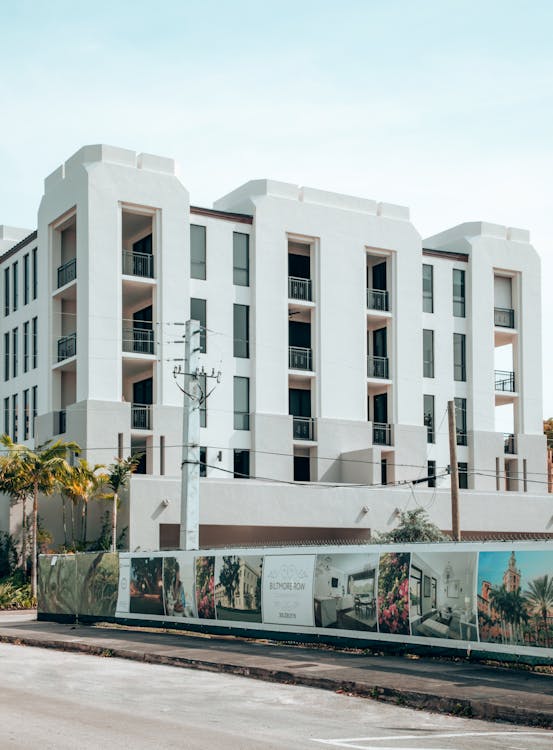
One decade dominates the housing. Per Census figures, about 40% of homes in the 1970s, with 17% from the 2000s, 15% from the 1990s, 12% from the 1960s, 11% from the 1980s and around 5% older. Most are condominium units, in mid-rise buildings along the canals and towers by the ocean, with the heater in a closet beside the air handler. Townhomes and single-family houses keep it in a utility room, a carport closet or a garage. Electric tanks are the norm, and gas units are rare.
Nearly one home in four is seasonal, according to Census data, so many units stand empty for months. Homes are on a public water supply, and salt air from the ocean and the Intracoastal reaches most fittings.
For heater repairs, that adds up to a particular pattern. With four in ten homes from the 1970s, most closet heaters are on their third or fourth tank, standing in spaces built for the originals and surrounded by valves and connectors that may be older than the heater. Many units stand empty for part of the year, so a slow leak can run unnoticed. And every closet sits beside or above a neighbor, which makes a pan with a working outlet, a shutoff that turns and a leak sensor as important as the heater itself.
Service in North Miami Beach covers ZIP code 33160.
Closet heaters and how they're replaced
In most buildings here, the closet was built around the original tank, so every replacement starts with measuring: the closet's width and depth, the height to any shelf, and the door the new tank must pass through. A slimmer or taller model often fits where the old shape won't. The installer also plans a pan with an outlet that drains somewhere suitable, a shutoff valve that turns freely, new connectors, and a relief valve line that discharges where it should. On the day, the technician checks in with the office, books the service elevator, protects the hallway, drains the old tank inside the unit and carries it out whole. Crusted valves and connectors are renewed rather than reused, since salt air works on them even inside a closed unit, and the closet floor is checked for signs of an old leak. See condo water heater replacement.
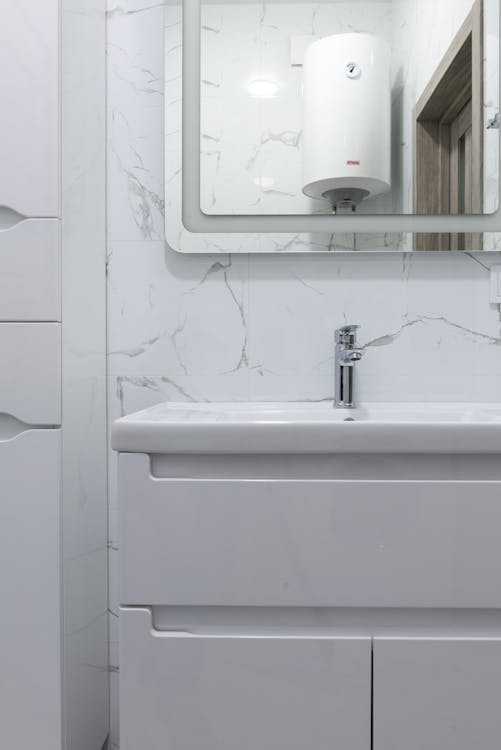
Read the serial number off the label and a pro will say how long the closet heater likely has left.
How water travels between units
Water from a failed closet heater doesn't stay put. It runs under the closet wall into hallways and bedrooms, soaks into the slab or subfloor and finds its way down through ceilings, light fittings and walls to the units below, sometimes two or three floors down. In a building where many owners are away, it can run for days before anyone notices a stain. That's why the people to tell are the building office first, then the occupants of any unit the water could have reached, then your own insurer. The office can open empty units and warn other floors. A connected leak sensor on the closet floor, and an automatic shutoff valve where the building allows one, catch a leak early enough to keep it in one unit. Related: condo water heater leak.
Association rules: why to check
Many condominium associations have their own expectations about water heaters, which vary from building to building: some ask for a pan, a leak sensor or a particular kind of shutoff, some keep a record of each unit's heater, and some set rules about contractors, working hours and the service elevator. Because they differ so much, the only reliable source is your own association. Ask the office before booking a replacement, and pass on what they tell you when you call, so the installer arrives with the right parts and plans the day around the building's routine. If the association keeps a record of heaters, let the office know once the new one is in, with its manufacture date. Read more at drain pan and overflow protection.
A sulfur smell after the unit stands empty
A rotten-egg smell from the hot taps only is commonly associated with sulfate in the water reacting with the tank's anode rod, and it's strongest after water has stood, which is why owners returning after the summer notice it most. Running the hot taps for a few minutes often clears it. When it persists, the fix is usually a less reactive anode, fitted once a technician confirms the cause. Removing the anode is never the fix, because the tank then rusts through far sooner. If a new heater smells within weeks of installation, mention it when you call, since the anode's metal can be changed without replacing the tank. Related: rotten-egg smell in hot water.

Water heater services in North Miami Beach
- Condo Water Heater Leak
- Condo Water Heater Replacement
- Drain Pan and Overflow Protection
- Leaking Water Heater
- Seasonal Home Shutoff
- Rotten-Egg Smell in Hot Water
Closing the condo for summer? A pro can prepare the closet heater and restore it when you're back.
North Miami Beach water heater questions
In North Miami Beach, is a drain pan worth having under the heater?
Yes, above all in a condo closet over someone else's home. A pan holds a slow leak, but only if its outlet is piped somewhere that can take the water. Adding one means lifting the heater, so replacement is the easiest time to fit it.
In North Miami Beach, can a water heater stay in a carport or outdoor closet?
Many do in the houses here. Fittings there face more humidity and salt and corrode sooner, and the enclosure has to keep weather off the heater. At replacement, the installer checks that the heater suits the spot and whether the valves and connectors should be renewed.
In North Miami Beach, what does an automatic shutoff valve do?
It shuts off the water by itself when a sensor detects a leak, stopping it at the source instead of just sounding an alarm. It can protect the heater alone or the whole unit, and it's most useful in a condo that stands empty for part of the year.
In North Miami Beach, why do the fittings on top of the heater have a green crust?
That's corrosion on the copper and brass, and it forms faster near the ocean, where salt settles on everything. It often hides a slow weep at the joint. Renewing crusted connectors and valves before they fail costs far less than dealing with a leak into the unit below.
In North Miami Beach, can the old shutoff valve and connectors be replaced at the same time?
Yes, and in an older building it's usually sensible. Corroded connectors and a valve that won't close fully are common leak sources. Renewing them while the water is already off adds little time, and the installer includes them in the price.
In North Miami Beach, who should I tell if my condo heater leaks into another unit?
Once the water is off, the building office first, then the neighbors whose homes it may have reached, then your own insurer. The office can get into empty units and check the floors below. After that, whoever is arranging the repair can call us.
Our building is from the 1970s. Is the closet heater likely original?
Almost certainly not; a heater from then would be long past its life. But it may be on its third or fourth tank, and the valves and connectors may be older than the heater. Read the label date and ask the office about any association expectations.
Do you cover the oceanfront towers as well as the canal-side buildings?
Yes. We cover the whole 33160 ZIP code, from the mid-rise buildings along the canals and the Intracoastal to the towers by the ocean and the houses in between. Give us the building, floor and unit as you call, and we'll link you with a pro who covers the area.
Nearby communities
We also cover Hallandale Beach, Miami Beach, Miami Gardens and the rest of the Southeast Coast.
North Miami Beach water heater repair?
Call any time for a local pro who repairs and replaces condo and home heaters across 33160.
Condo closets, utility rooms and garages by the ocean.