
Live Oak · Suwannee County
Water Heater Repair and Replacement in Live Oak, FL
Most Live Oak homes are single-family houses, with the heater in a garage corner or a utility room, and a good share of the rest are manufactured homes with the heater in a compartment. Nearly all of those heaters are electric, though gas and propane reach some streets, and in winter the water arriving at any of them is cold enough to matter. For repair or replacement in Live Oak, call and we'll connect you with a local pro.
Both Live Oak ZIP codes, from the older streets near the courthouse to the newer subdivisions and country lots.
Does the smell come from the heater?
Two glasses will tell you. Fill one from the cold tap and the other from the hot, move them away from the sink and smell each in turn. If only the hot water smells, the heater is the likely place to look and a heater technician can help. If both smell, the odor is in the water before it reaches the heater, and on a private well that points to the well, its pump or its treatment, a matter for a water specialist. Say which it was, and when it is worst, when you call. Details are in rotten-egg smell in hot water.
Why the hot side alone can smell
A smell that appears on the hot side only is commonly associated with a reaction in the tank. Sulfate in the water and bacteria that like warm, still conditions can react with the anode, the rod that corrodes so the steel won't, and the gas produced is what you smell. It is strongest when water has stood unused. A technician confirms the cause on site and often fits a less reactive anode, and removing the rod altogether is no remedy, because the tank would rust through far sooner. Related: anode rod replacement.
Rural lot on a well? Ask a pro how the water affects the tank and what a filter can change.
Water heater repair and replacement in Live Oak
Live Oak became the seat of Suwannee County in 1868, when the county moved its seat here from Houston because of the town's central position and its railroad facilities. Suwannee County itself had been created on December 21, 1858, out of part of Columbia County. Live Oak was incorporated in 1878 and grew into a minor railroad hub for the surrounding region. Two ZIP codes, 32060 and 32064, carry a Live Oak address, home to about 28,200 people, in town and across the farm roads and rural lots around it.
Per Census figures, about 24% of homes in the 1990s, 20% in the 1980s, 20% in the 2000s, 18% in the 1970s and 7% in the 1960s, with around 10% from the 1950s or earlier and 1% since 2010. Single-family houses are the largest group, alongside manufactured homes and some apartments. The heater may be in a garage, a utility room, a closet or a compartment, and most heaters are electric.
With only about 3.6% of homes held for seasonal use, almost every heater is in daily service. Water comes from a mix of public supply and private wells, and a heater that works every day gathers sediment steadily, so age and use together decide how much life a tank has left.
For installation work, nearly two homes in three date from the 1970s through the 1990s, so a great many heaters are on their second tank and a first wave of replacements is already here. Tell us the type of home, where the heater is and whether you're on a well, and the technician can arrive with a heater that fits the space. Reading the serial number off the label lets us date the heater before the visit, and a call before the old tank fails lets the size and type be chosen calmly rather than on the day the hot water stops.
Calls from Live Oak are matched to installers covering 32060 and 32064.
Gas and propane heaters
Where natural gas or propane reaches a home, a gas tank is an option at replacement, and it recovers quickly when winter water comes in cold. It burns fuel under the tank and sends exhaust up a vent, so the burner, controls and venting are work for a technician qualified for gas appliances. A home without a supply uses an electric tank or a heat pump unit. Should you ever smell gas, leave right away and call your gas utility and 911 from outside. Read more at gas water heater service.
Heat pump units and where the water goes
A heat pump water heater dries the air around it as it draws warmth, and the water it collects must leave through a condensate line, to a floor drain, the outside or a small pump. In a Live Oak garage with room around the unit that is usually easy to arrange. If the line blocks, water appears on the floor, which can be mistaken for a leak. The installer checks the room, the drain route and the electrical supply first, and follows the maker's requirements. More on heat pump water heater installation.
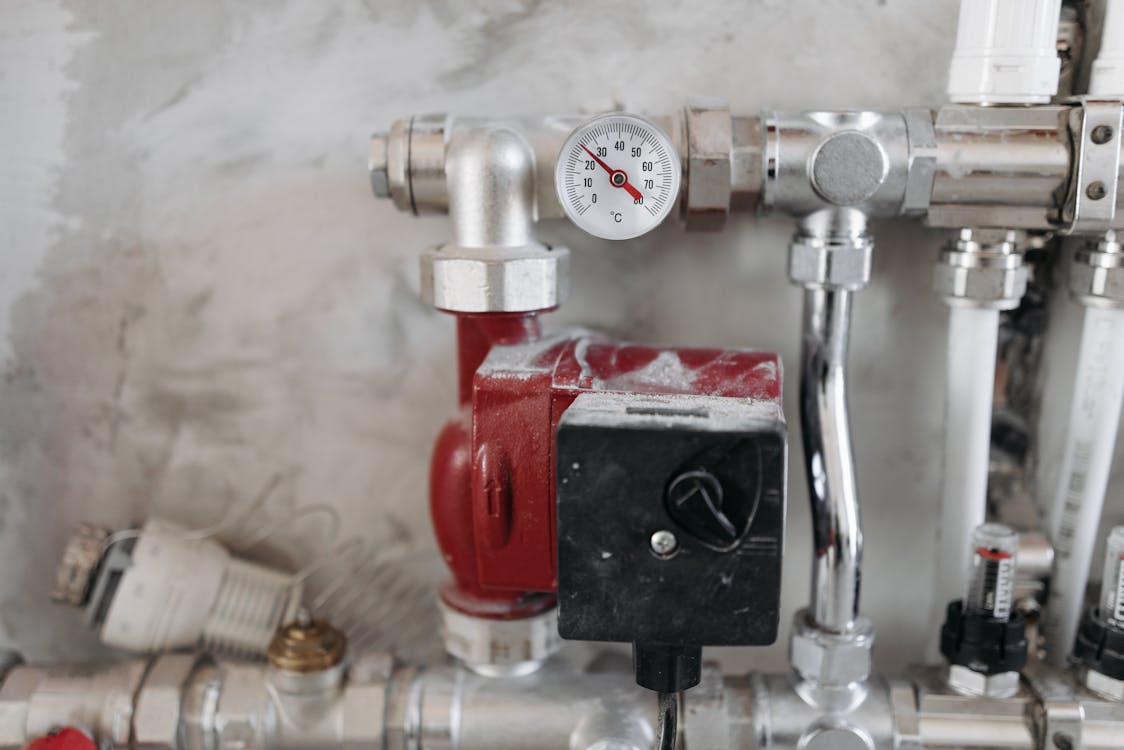
Heater in a compartment? Tell a pro how the panel opens and the right model comes with the technician.
Cooler winter water
In a Live Oak January the water reaching the heater, from a well or a public line, is much colder than in July. Each gallon needs more heating and the tank recovers more slowly, so a heater that managed all summer can run out on a busy morning. A failed lower element or heavy sediment gives the same symptom, so test the heater before assuming it is too small. Pick a replacement that copes with the coldest busy morning. Details are in water heater not heating enough.
Wells and sediment
Homes on private wells draw groundwater with its dissolved minerals, fine sand and sometimes iron, which settle on the tank floor faster than from a public supply. They bury the lower element, make the tank rumble and use up the anode sooner. Early flushes, anode checks every few years and a sediment filter on the well line help a new tank last.
Compartments and the right model
In a manufactured home the heater sits in a slim compartment, often entered through an outside panel, and a replacement has to fit it. Heaters designed for manufactured housing are generally what's needed. Describe how yours is reached and read out the model on the old label when you call.
Reading the heater's age
On the label is a serial number, and most makers code the year and the month or week of manufacture into it, in a pattern that varies by brand. A photograph is enough for the technician to date the heater before the visit. A tank in its second decade that rumbles, rusts or runs short is usually better replaced than repaired.
What an installation visit involves
The technician looks over the space, closes the water, isolates the power and drains and removes the old tank. The new heater is connected with fresh fittings and a new shutoff valve where the old one is worn, with the relief valve line routed to where it can discharge, and it is filled to the top before the power is restored.
Water heater services in Live Oak
- Water Heater Installation
- Rotten-Egg Smell in Hot Water
- Anode Rod Replacement
- Gas Water Heater Service
- Heat Pump Water Heater Installation
- Water Heater Not Heating Enough
Live Oak water heater questions
In Live Oak, can I switch from electric to gas, or gas to electric?
Often, though it adds work. A move to gas requires a gas line and venting, while a move to electric may call for a new circuit. The installer reviews what the house has and quotes the change next to a like-for-like replacement, so you can weigh them side by side.
In Live Oak, what size water heater do we need?
It depends on your busiest hour more than the number of bedrooms: how many showers run back to back, whether there is a large tub and whether appliances run at the same time. The installer uses that routine and the heater's first-hour rating to suggest a size.
In Live Oak, what causes popping or rumbling from the heater?
Nearly always sediment. Minerals settle on the tank floor, and water trapped beneath them boils through as the heater runs. Flushing usually helps a younger heater, while on an older one that has never been flushed the sediment may have hardened and the noise is a sign of age.
For a Live Oak home, why does a tankless unit take a while to deliver hot water?
It heats on demand, but the hot water still has to travel from the unit to the tap, which takes longer on long pipe runs, and some units need a moment to fire. A recirculation option can shorten the wait, and the installer can advise.
For a Live Oak home, can the water heater be moved to a different spot?
Often, but it needs new water lines, a new circuit or gas line and vent, a drain for the relief valve and sometimes changes to the space, which adds cost. The installer can price a move against a replacement where it stands.
For a Live Oak home, will a tankless heater keep up on cold winter mornings?
If it is sized for winter, yes. Colder water cuts the gallons a minute a unit can bring to a comfortable temperature, so installers size for January. Gas units handle cold water better than electric ones, and the installer can compare both.
Do you serve homes outside the town limits?
Yes. Many Live Oak addresses are on farm roads and rural lots outside the town itself. Give us your address and directions from the main road when you call, and we'll connect you with the local pro whose area covers it.
Do you cover both Live Oak ZIP codes?
Yes. We cover 32060 and 32064, from the older streets near the courthouse to the newer subdivisions and country lots. Give us your ZIP code and address as you call, and we'll link you with a pro who covers the area who works in Suwannee County.
Nearby communities
We also cover Jasper, Mayo, Branford and the rest of North Florida.
Live Oak water heater installation?
Call any time for a local pro who installs and replaces heaters across Live Oak's houses and manufactured homes.
Garages, closets and compartments across two ZIP codes.